
In today’s digital-first world, customers expect to connect with businesses on their own terms—whether that’s through social media, email, SMS, or live chat. But offering multiple channels isn’t enough anymore. The real challenge lies in creating a seamless, unified experience across all of them. That’s where omnichannel communication comes in.
In this comprehensive guide, we’ll explore what omnichannel communication means, why it matters for your business, and how to implement an effective strategy that drives customer satisfaction and business growth.
Understanding Omnichannel Communication
Omnichannel communication is a strategic approach that provides customers with a unified, consistent experience across all channels they use to interact with your brand. Unlike traditional multichannel approaches where each platform operates independently, omnichannel creates an integrated ecosystem where customers can seamlessly transition between channels without losing context.
Multichannel vs. Omnichannel: What’s the Difference?
While the terms sound similar, there’s a crucial distinction:
Multichannel Communication uses various platforms to reach customers, but each channel operates in isolation. A customer might email your support team, then call later and have to explain their issue all over again.
Omnichannel Communication integrates all channels into a cohesive system. That same customer could start a conversation via chat, continue it over email, and finish by phone—with your team having full context at every touchpoint. The brand voice remains consistent, and the customer journey flows naturally regardless of which channel they’re using.
The Business Case for Omnichannel Communication
Implementing an omnichannel strategy isn’t just a nice-to-have—it’s becoming essential for business success. Here’s why:
Enhanced Customer Satisfaction
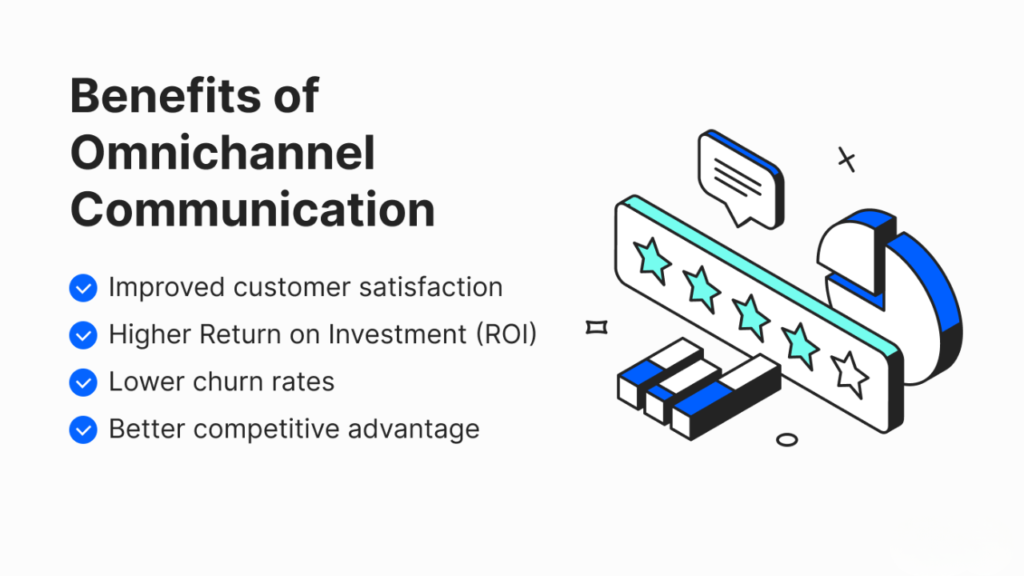
When you meet customers on their preferred platforms with consistent, personalized service, satisfaction naturally increases. Customers no longer need to repeat information or adjust to different brand experiences across channels. This convenience translates directly into higher Customer Satisfaction Scores (CSAT) and lower churn rates.
Increased Revenue and ROI
Omnichannel strategies create multiple touchpoints for value delivery, leading to more conversions and sales. By tracking customer interactions across channels, you can identify which platforms drive the most engagement and optimize your resource allocation accordingly. Engaged customers convert more frequently, directly impacting your bottom line.
Reduced Customer Churn
Research shows that subscription businesses typically face annual churn rates between 5-7%. However, omnichannel communication helps counter this by catering to diverse customer preferences and maintaining consistent engagement. When customers can reach you easily through their preferred channels, they’re more likely to stay loyal.
Competitive Differentiation
In crowded markets, businesses that embrace omnichannel communication demonstrate a genuine commitment to customer experience. This customer-centric approach provides a significant advantage over competitors offering limited contact options. Additionally, by accommodating various accessibility needs, you reach broader audiences and strengthen your market position.
Essential Channels for Your Omnichannel Strategy
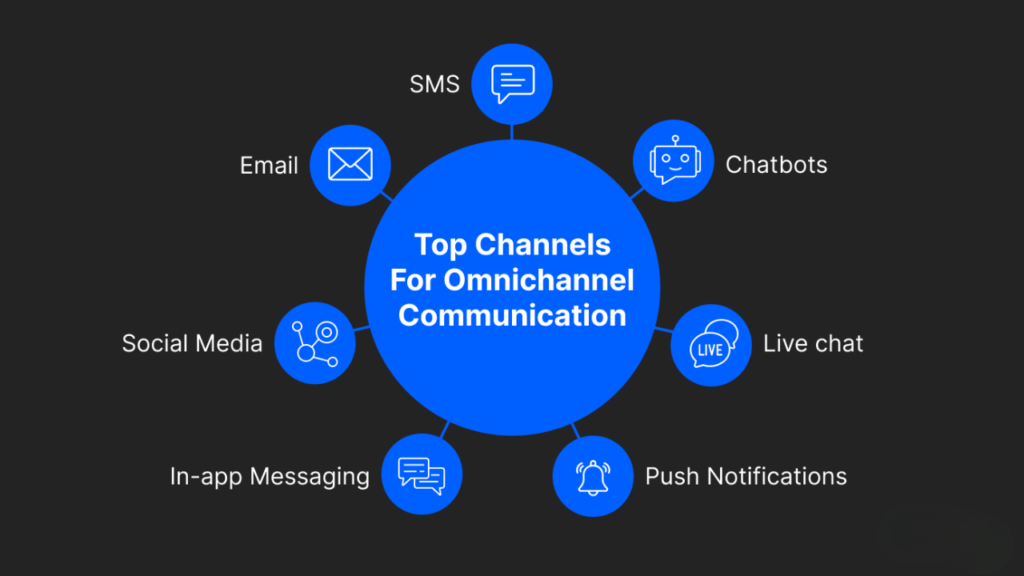
Understanding which channels to include in your strategy depends on your audience and their preferences. Here are the key channels to consider:
Social Media Platforms
Social media has become indispensable for brand communication. Platforms like Instagram, Facebook, TikTok, and LinkedIn offer opportunities to increase visibility, engage followers, and gather valuable customer insights. Social interactions reveal customer sentiments, preferences, and satisfaction levels that inform business decisions. Collaborating with influencers or brand ambassadors can further amplify your reach.
Email Marketing
Despite the rise of newer channels, email remains highly effective. With significant portions of both millennials and Gen Z expressing positive attitudes toward brand emails, this channel excels at maintaining customer engagement through personalized offers, newsletters, and updates about your products or services.
SMS Messaging
Text messaging provides a direct line to customers for discount codes, special offers, and order updates. Online retailers commonly use SMS for order confirmations, shipment tracking, and delivery notifications. You can also leverage SMS for quick customer feedback through polls or surveys, gathering insights to improve your offerings.
Chatbots and AI Assistants
Automated chatbots enable 24/7 customer support, ensuring timely resolution of customer issues. They can handle appointment scheduling, deliver targeted marketing messages, announce promotions, and run interactive campaigns—all while freeing your human agents to focus on complex inquiries.
Live Chat Support
Live chat offers the immediacy customers crave without requiring phone calls or emails. It allows agents to quickly resolve queries while customers multitask, browsing your website or app. This convenience factor significantly enhances user satisfaction and can improve conversion rates.
Push Notifications
These mobile-first messages enable targeted, media-rich communication based on customer interests and behavior. Use push notifications to re-engage dormant users, announce new features, remind customers about abandoned carts, or alert them to upcoming events like product launches or sales.
In-App Messaging
For businesses with mobile or web applications, in-app messaging provides real-time support directly within the user interface. Customers can ask questions, report issues, or request help without leaving the app. This convenience, combined with personalized messaging based on user behavior, builds trust and improves retention rates.
Building an Effective Omnichannel Strategy
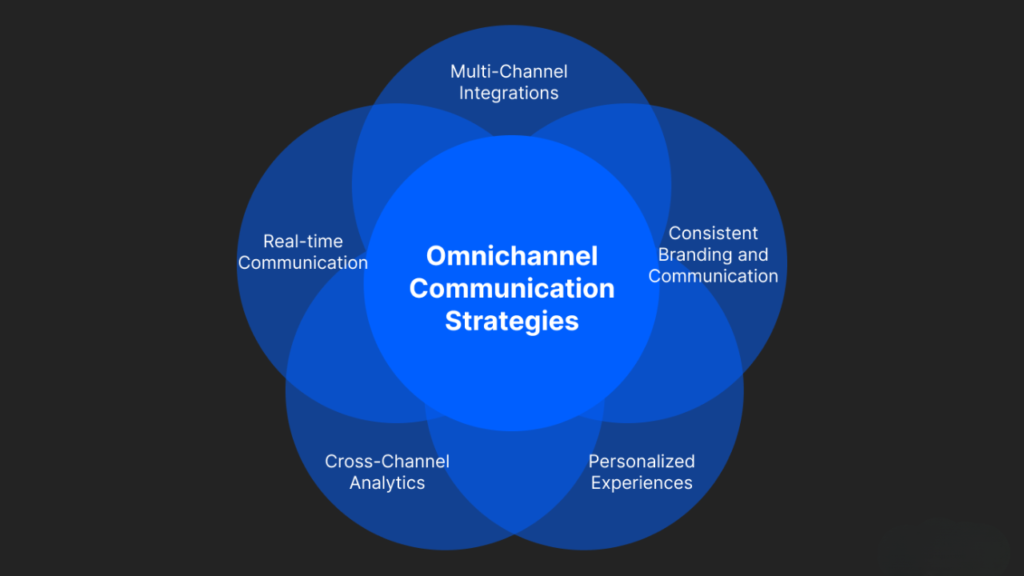
Creating a successful omnichannel communication strategy requires careful planning and execution. Here are the essential components:
1. Unified System Integration
Implement messaging systems that integrate all your communication channels—chat, email, social media, SMS, and phone. This unified infrastructure ensures real-time communication and allows customers to seamlessly switch between channels while maintaining conversation context.
2. Consistent Brand Voice
Your customer service team must maintain consistency across all channels. Whether a customer reaches out via social media, email, or chat, they should experience the same brand personality, tone, and level of service. This consistency strengthens brand identity and builds customer trust.
3. Personalization at Scale
Leverage customer behavior data and AI algorithms to deliver personalized messages and offers across all touchpoints. Analyze interactions, purchase history, and preferences to create tailored experiences that resonate with individual customers and drive engagement.
4. Cross-Channel Analytics
Deploy real-time analytics tools that track customer interactions across your entire communication ecosystem. This data helps you understand customer needs, identify pain points, and adjust your approach quickly to optimize the customer experience.
5. Responsive Real-Time Support
Aim for quick response times across all channels. Implement automated routing and prioritization systems to ensure customer inquiries reach the right team members promptly. Use AI assistants and chatbots to handle routine questions instantly while escalating complex issues to human agents.
Emerging Trends in Omnichannel Communication
The omnichannel landscape continues to evolve with technological advances. Here’s what to watch for:
AI and Automation
The AI marketing market is projected to exceed $107.5 billion by 2028, up from $15.84 billion in 2021. As of early 2023, over 35% of marketing leaders reported mostly or fully automated customer journeys, while 73% of US marketers used generative AI tools like chatbots. Expect even more sophisticated AI-driven virtual assistants that handle routine inquiries while personalizing experiences across platforms.
Immersive Technologies
Augmented Reality (AR) and Virtual Reality (VR) will increasingly integrate into communication channels. Retailers will use these technologies to let customers visualize products before purchase, enhancing the shopping experience and reducing returns.
Voice-First Interfaces
As voice-based communication gains popularity, brands must optimize their omnichannel strategies for voice search and commands. Voice assistants will play a larger role in customer interactions, requiring businesses to adapt their communication approaches accordingly.
Implementing Your Omnichannel Strategy: Next Steps
Ready to embrace omnichannel communication? Start by:
- Auditing Your Current Channels: Evaluate which platforms you currently use and identify gaps or opportunities for improvement.
- Understanding Your Customer Journey: Map how customers interact with your brand across different touchpoints to identify friction points and opportunities.
- Choosing the Right Technology: Invest in platforms that enable true integration across channels, not just multichannel presence.
- Training Your Team: Ensure your customer service teams understand the importance of consistency and have access to unified customer data.
- Measuring and Optimizing: Continuously track performance metrics across channels and refine your approach based on data-driven insights.
Conclusion
Omnichannel communication represents the future of customer engagement. By creating seamless, personalized experiences across all touchpoints, you can increase customer satisfaction, boost lifetime value, and achieve higher ROI. The businesses that thrive in the coming years will be those that successfully integrate their communication channels to meet customers wherever they are—with consistency, convenience, and care.
The time to embrace omnichannel communication is now. Start small, focus on integration over proliferation, and always keep the customer experience at the center of your strategy.
About Azmarq: We help businesses transform their customer communication strategies through innovative technology solutions and strategic consulting. Contact us to learn how we can help you implement an effective omnichannel approach that drives real business results.