
Customer Data & AI Automation · Voice 360 · 29 September 2026 · Harender Chaudhary · ~5 min read
AI Voice Agents for Business: How to Automate Sales Calls, Customer Support & Lead Follow-Ups
Missed calls mean lost revenue. Discover how modern AI Voice Agents enable businesses to automate outbound sales calls, handle customer support 24/7, and qualify leads instantly with human-like conversation.
View Voice 360 product →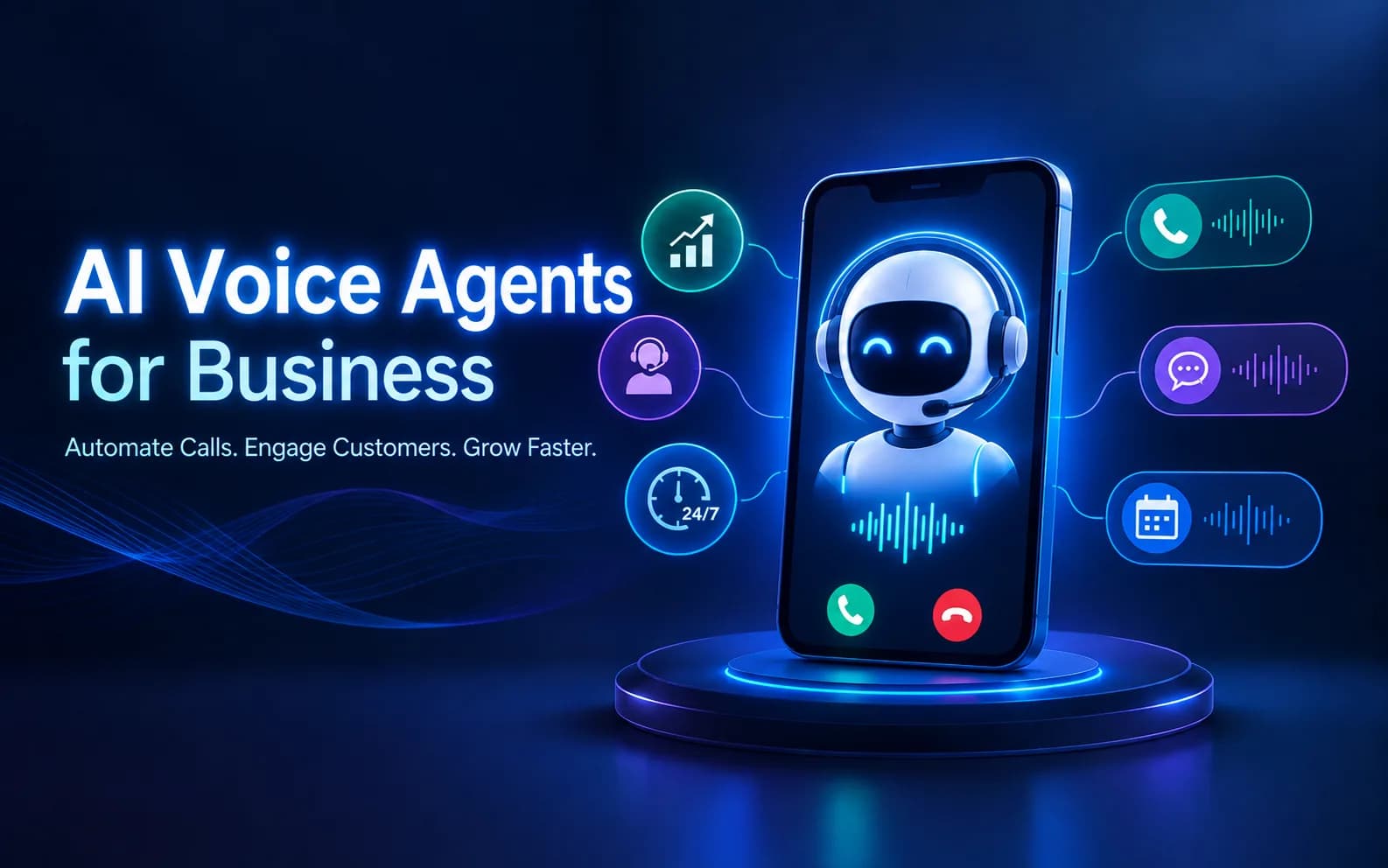
In today’s hyper-connected market, modern buyers expect immediate answers. A lead submitted on your website at 9:00 PM that sits in a CRM queue until the next morning is already a lost deal. Similarly, putting customers on hold for 15 minutes during peak support hours destroys brand trust.
While digital communication channels like WhatsApp, SMS, and live chat have transformed buyer journeys, voice remains the most powerful channel for high-intent interactions. However, traditional call centers face steep challenges: soaring labor costs, agent burnout, inconsistent pitch delivery, and limited operating hours.
This is where AI Voice Agents come in.
No longer restricted to rigid, robotic IVR menus ("Press 1 for Sales, Press 2 for Support"), modern voice AI engages in natural, two-way, human-like conversations. In this guide, we will explore how businesses leverage AI Voice Agents for Business to automate sales calls, scale customer support 24/7, and convert leads before competitors even hit dial.
What Are AI Voice Agents?
An AI Voice Agent is an intelligent, software-driven conversational bot that understands human speech, processes intent in real time, and responds audibly with natural human inflection and tone.
Unlike legacy voice systems that rely on strict pre-recorded decision trees, modern conversational voice bots combine three core technology layers:
- Speech-to-Text (STT): Converts customer speech into structured text instantly.
- Large Language Models (LLM) & Natural Language Understanding (NLU): Analyzes the context, intent, and sentiment of the conversation.
- Text-to-Speech (TTS): Generates natural, human-sounding speech responses with minimal latency (under 500ms).
When integrated into an enterprise-grade omnichannel engine like Azmarq CPaaS, these AI voice bots don't just speak- they connect directly to your customer data, CRM tools, and business workflows to execute real-time actions.
3 Core Ways AI Voice Agents Transform Business Operations

1. Automating Outbound & Inbound Sales Calls
Sales teams spend up to 70% of their day on repetitive administrative tasks- dialing dead numbers, leaving voicemails, or asking basic qualification questions.
AI voice agents act as your tireless SDR (Sales Development Representative) team:
- Pre-Qualifying Prospects: The AI calls inbound leads or cold databases to ask essential qualification questions (e.g., budget, timeline, decision-maker status).
- Automating Demo Scheduling: Once a lead is qualified, the voice agent checks sales reps' calendar availability in real time and books a meeting on the call.
- Re-Engaging Cold Leads: AI bots can automatically run re-activation campaigns on dormant leads to uncover fresh interest without burning out human sales reps.
2. Scaling 24/7 Customer Support Without Extra Headcount
Customer service teams often face unpredictable spike periods, leading to high call abandon rates and long hold times.
By introducing AI customer support solutions, businesses achieve:
- Zero Hold Times: Handle thousands of concurrent inbound phone calls simultaneously during peak hours.
- First-Contact Resolution (FCR): Resolve routine queries- like order tracking, payment verification, subscription updates, and appointment changes- without human intervention.
- Seamless Human Escalation: When a caller presents a complex or sensitive issue, the voice bot intelligently routes the call to a human agent via a Unified Inbox, complete with full conversation transcripts and context.
3. Instant Lead Follow-Ups (The "Under 60-Second" Rule)
Studies show that reaching out to an inbound lead within 5 minutes increases conversion rates by up to 392%. If you wait an hour, your chances of qualifying that lead drop by 80%.
When a buyer submits a Meta Click-to-WhatsApp ad, fills out a web form, or interacts with Google RCS campaigns, an integrated AI Voice Agent can:
- Trigger an instant outbound call within 30 - 60 seconds of form submission.
- Address the lead while your brand is top-of-mind.
- Confirm lead details and instantly send a follow-up WhatsApp brochure or booking link via Azmarq Customer Journeys.
Key Benefits of Deploying AI Voice Agents
Feature | Traditional Call Center | AI Voice Agent Integration |
Availability | Fixed hours or expensive 24/7 shifts | 24/7/365 continuous availability |
Call Capacity | Limited by headcount & queue size | Infinite concurrent call handling |
Response Latency | High wait times during peak hours | Instant connection (< 1 second) |
Cost per Interaction | High (salaries, training, infrastructure) | Up to 70% lower operational cost |
Data Consistency | Variable note-taking & human errors | Automated CRM updates & transcription |
How to Implement AI Voice Agents with Azmarq
Deploying voice AI requires reliable connectivity, low latency, robust data privacy, and guardrails to prevent AI errors. Azmarq provides an enterprise-ready CPaaS environment designed for conversation-led growth.

Step 1: Define Voice Workflows & Scripting
Map out the exact conversation flows for sales qualification, lead follow-ups, or support FAQs. Determine clear logical triggers for when the AI should complete an action versus when it should transfer to a live representative.
Step 2: Set Up Knowledge Base & AI Guardrails
Using tools like Azmarq AI Agent Studio, load your business knowledge bases, FAQs, and product catalogs. Establish strict operational guardrails so the agent stays on-brand and compliant.
Step 3: Connect Telephony & Omnichannel Channels
Link your voice agent with Voice 360 for enterprise telephony routes, IVR management, and localized phone numbers. Connect these interactions to your unified customer database (My CDP) so voice agents remember prior WhatsApp or SMS conversations.
Step 4: Test, Deploy & Analyze Performance
Run simulations in a controlled environment to fine-tune response times and voice tone. Once live, monitor call analytics, sentiment scores, and conversion metrics through unified dashboard tools.
Compliance, Trust & Data Security
When deploying AI voice bots in regulated sectors like BFSI, Healthcare, or E-commerce, compliance cannot be an afterthought. Enterprise voice solutions must offer:
- Data Privacy Compliance: Alignment with global and local privacy rules such as DPDP (India) and ISO certifications.
- Enterprise Security Standards: ISO 27001, SOC 2 Type II, and regular Vulnerability Assessment & Penetration Testing (VAPT).
- Encrypted Data Streams: Robust end-to-end encryption for voice data both in transit and at rest.
The Future of Customer Conversations is Omnichannel
AI Voice Agents are not meant to isolate customer interactions- they are meant to complete them.
The most successful brands build an integrated conversational experience where a customer might discover a brand via Meta Click-to-WhatsApp ads, ask questions over a quick AI voice call, receive booking confirmations on SMS/RCS, and review invoices via Email- all within one unified history.
Ready to automate your sales calls, elevate customer support, and ensure no lead goes cold? Explore Azmarq AI Agent Studio & Voice 360 today and transform how your business communicates.
Written by

Harender Chaudhary
CPaaS Content Strategist at Azmarq
Harender Choudhary is a digital marketing and customer communication strategist with extensive experience in SEO, performance marketing, digital growth, and technology-led customer engagement. His areas of expertise include CPaaS, WhatsApp Business, conversational communication, SMS, RCS, automation, and omnichannel customer engagement. He focuses on simplifying complex digital communication technologies and exploring how businesses can use automation, messaging platforms, and data-driven marketing strategies to improve customer engagement, generate leads, and drive sustainable business growth.
Related articles
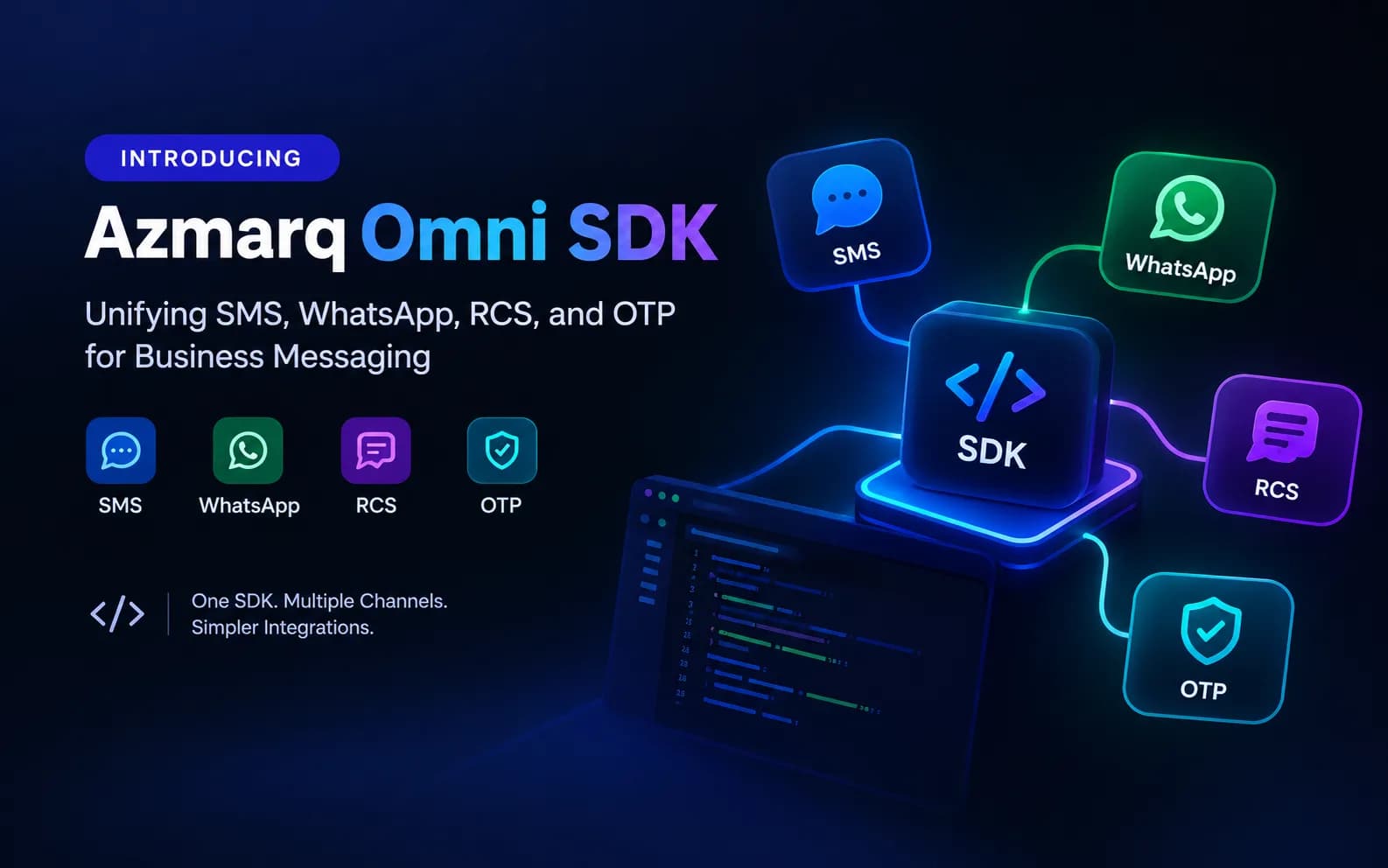
Introducing Azmarq Omni SDK: Unifying SMS, WhatsApp, RCS, and OTP for Business Messaging
The new Azmarq Omni SDK unifies SMS, WhatsApp, RCS, and OTP into a single client library across 7 programming languages. Built for speed and reliability, it cuts integration time from weeks to hours so businesses can launch multi-channel customer communication effortlessly.
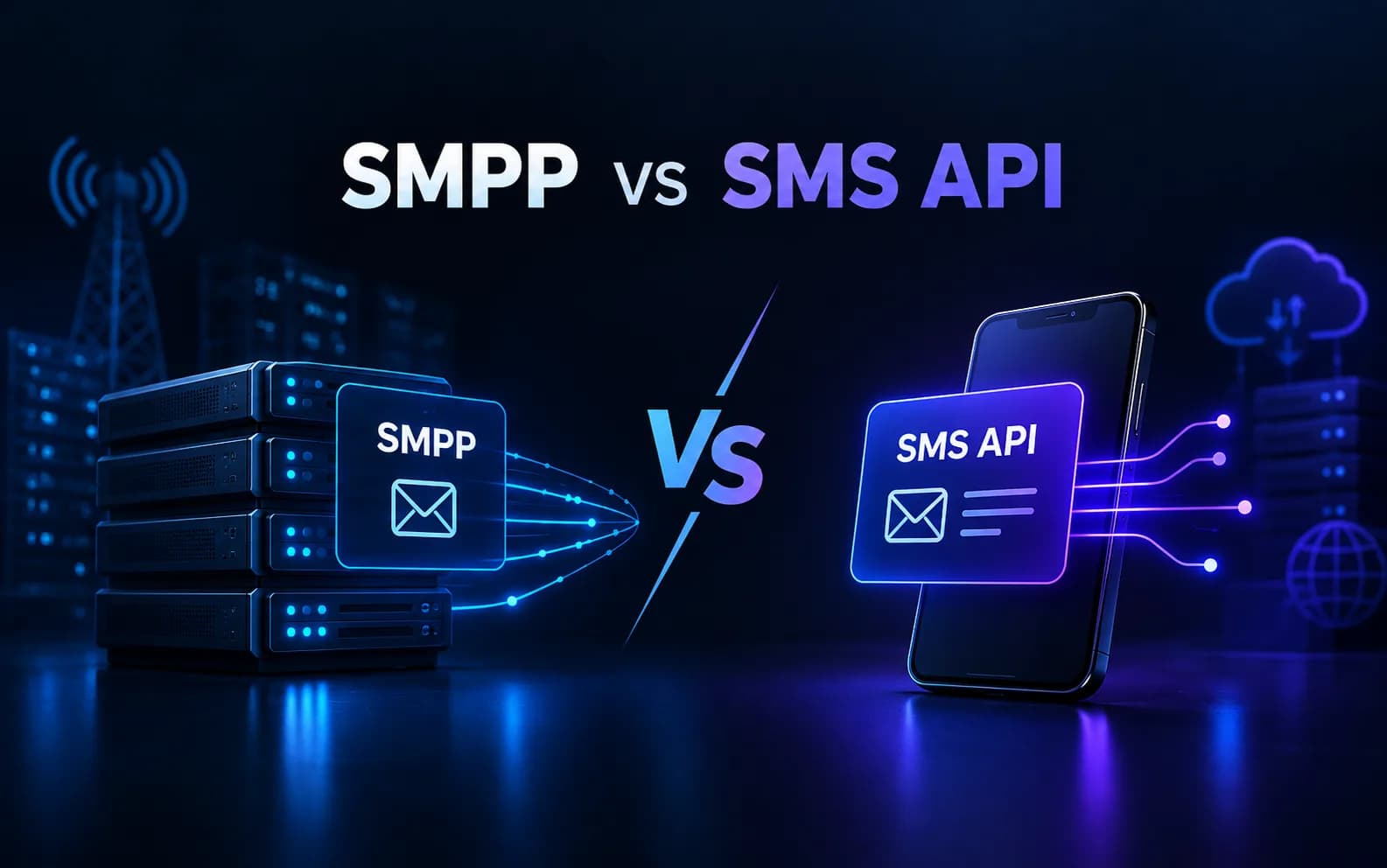
Enterprise Messaging Architecture: SMPP vs. REST SMS API for High-Volume Routing and Scalable Delivery
Choosing between SMPP and REST SMS APIs impacts throughput, latency, and operational cost at enterprise scale. Learn how to architect high-volume messaging pipelines, manage carrier sessions, and optimize message routing for global delivery.
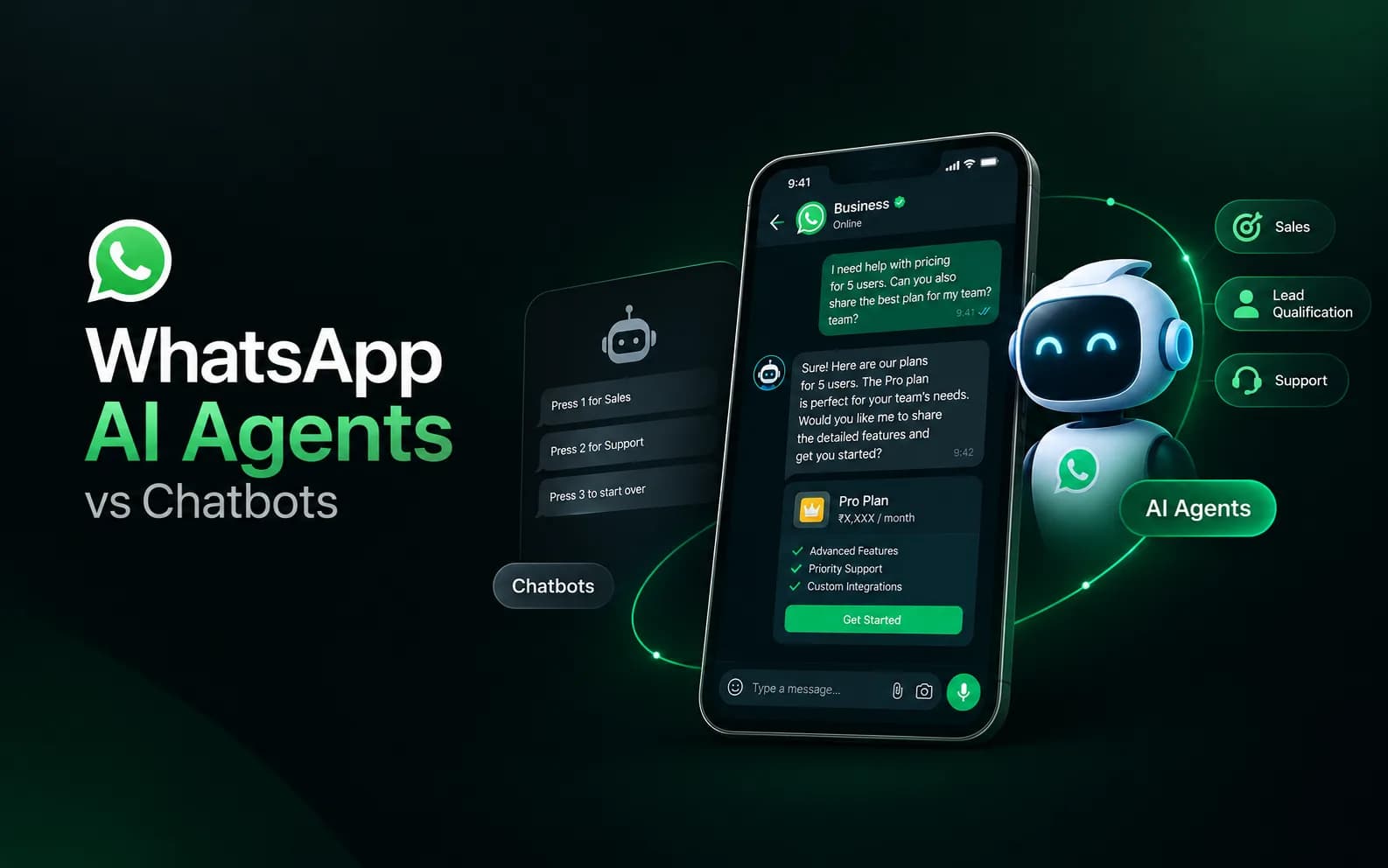
WhatsApp AI Agents vs Chatbots: What Should Your Business Use for Sales, Support & Lead Qualification?
Traditional rule-based chatbots often fall short when dealing with dynamic customer queries. Discover how context-aware AI agents on WhatsApp outperform traditional bots in lead qualification, sales conversion, and multi-channel support.
